Clean Beauty Ingredients Explained in Under 3 Minutes
Ever stood in the beauty aisle feeling completely overwhelmed by ingredient lists that look like chemistry homework? You're not alone. The clean beauty movement has taken the cosmetics world by storm, but with all the buzzwords and marketing claims, it can be tough to know what's actually good for your skin and what's just clever packaging.
Here's the truth: understanding clean beauty ingredients doesn't have to be complicated. In fact, once you know the basics, you can become a label-reading pro in just a few minutes. Let's break down everything you need to know about clean beauty ingredients – the good, the bad, and the genuinely game-changing.
What Actually Makes Beauty "Clean"?
Clean beauty isn't just a trendy hashtag – it's a philosophy focused on using safe, non-toxic ingredients that work with your skin instead of against it. Since "clean" isn't regulated by the FDA, brands can pretty much slap that label on anything. That's why knowing what to look for (and what to avoid) is so crucial.
The core idea is simple: clean beauty products use ingredients that are beneficial for both your skin and the environment. Think botanicals instead of harsh chemicals, natural preservatives instead of questionable additives, and transparency instead of mystery ingredient lists.
The Good Guys: Ingredients You Actually Want
Plant-Powered Superstars
When you're scanning ingredient lists, these are the names you want to see:
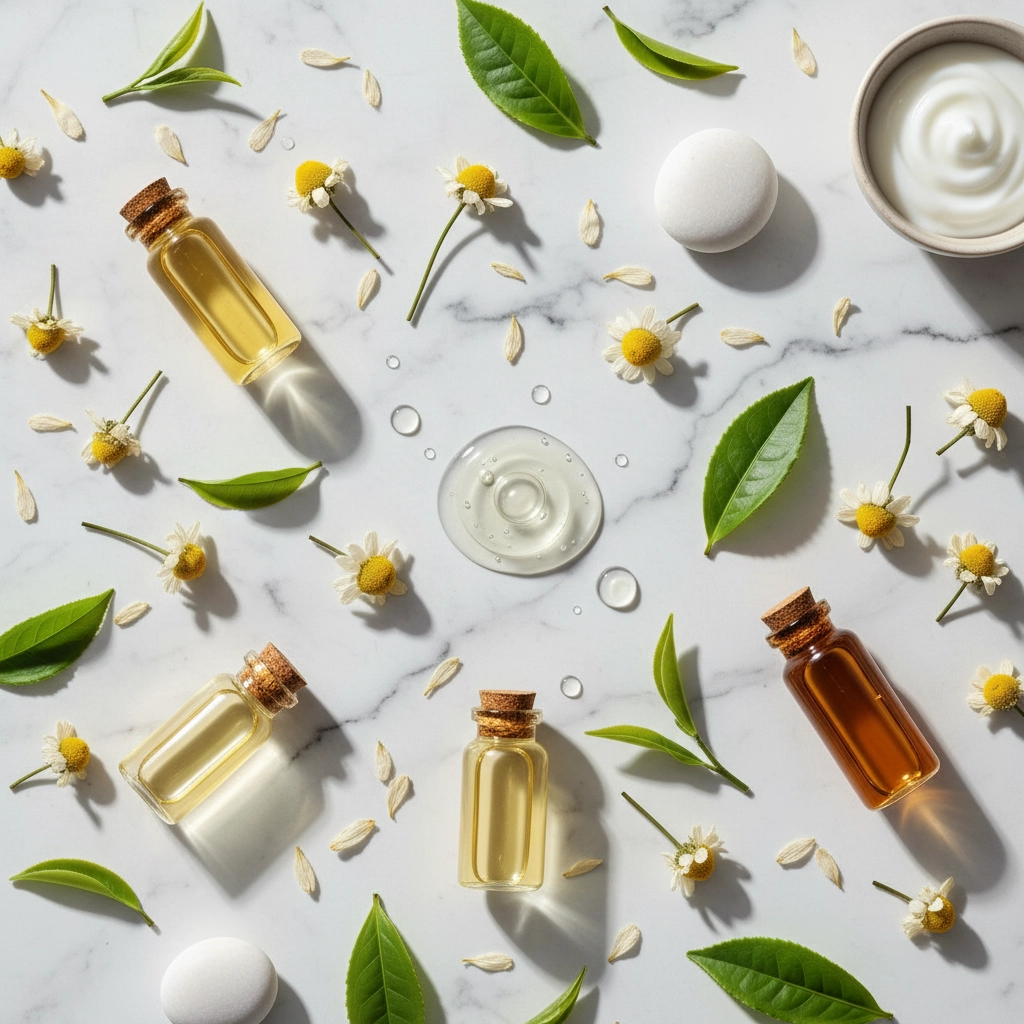
Botanical Extracts are like nature's pharmacy for your skin. Chamomile soothes irritation, green tea fights free radicals with antioxidants, and aloe vera provides instant hydration and healing. These plant-based ingredients have been used for centuries – they're tried, tested, and trusted.
Natural Oils are absolute skin-savers. Jojoba oil mimics your skin's natural sebum, making it perfect for all skin types. Argan oil is packed with vitamin E and essential fatty acids that repair and protect. Rosehip oil contains natural retinoids that boost cell turnover without the harsh side effects of synthetic alternatives.
The Science-Backed Stars
Clean beauty doesn't mean anti-science. Some of the best clean ingredients are naturally occurring compounds that happen to be incredibly effective:
Hyaluronic Acid is a moisture magnet that can hold up to 1,000 times its weight in water. It's naturally found in your skin, making it a perfect clean beauty ingredient that plumps and hydrates without any irritation.
Vitamin C (in the form of L-ascorbic acid or magnesium ascorbyl phosphate) brightens skin, evens tone, and protects against environmental damage. It's a powerhouse antioxidant that your skin craves.
Niacinamide (vitamin B3) regulates oil production, minimizes pores, and strengthens your skin barrier. It's gentle enough for sensitive skin but effective enough to see real results.
Clean Preservatives That Actually Work
Here's where it gets tricky – even clean products need preservatives to stay safe and effective. Look for natural options like:
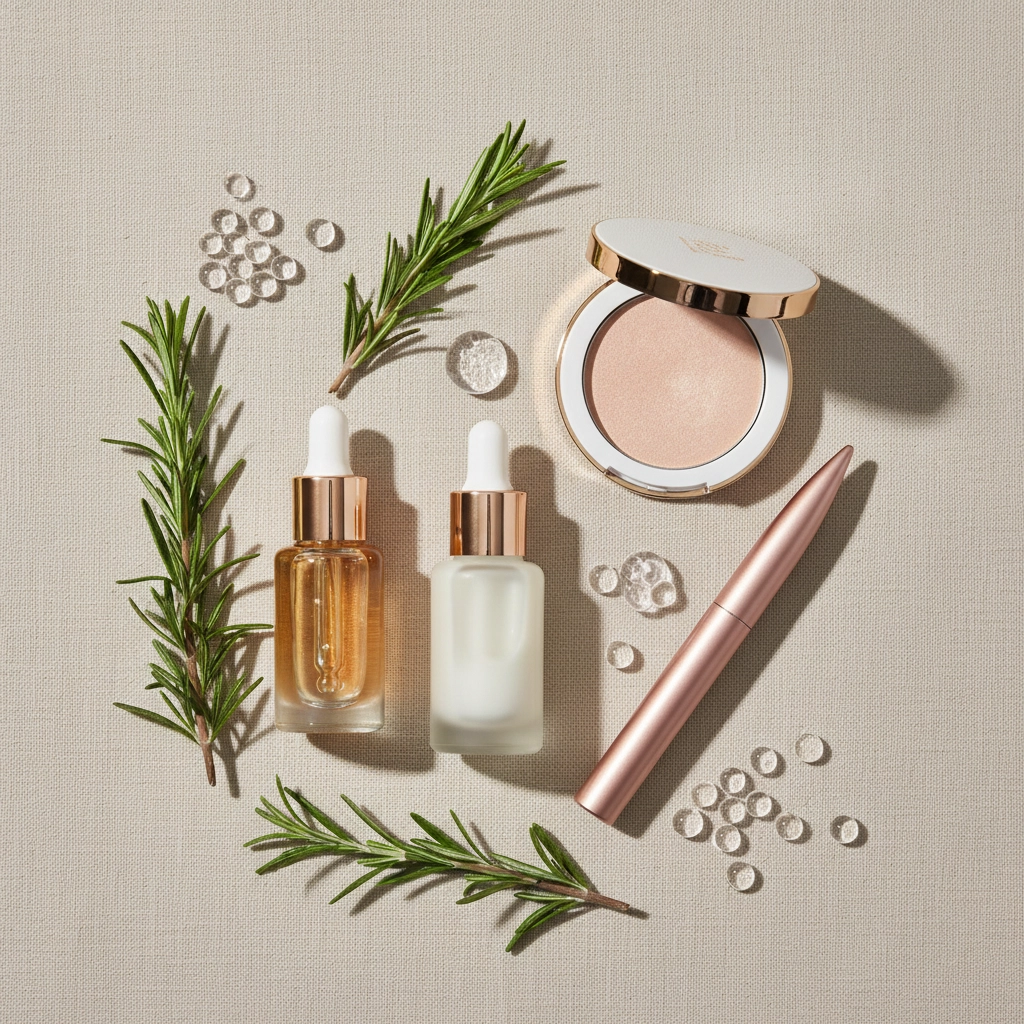
- Rosemary extract (rich in antioxidants)
- Vitamin E (tocopherol)
- Sodium benzoate (derived from benzoic acid, found in cranberries)
These keep your products fresh without the potential hormone-disrupting effects of synthetic preservatives.
The Not-So-Good: Ingredients to Skip
The Hormone Disruptors
These ingredients can mess with your endocrine system, potentially affecting everything from your mood to your metabolism:
Parabens (methyl-, ethyl-, propyl-, butyl-) are cheap preservatives linked to hormone disruption. They're found in everything from foundation to mascara, but clean brands have proven you don't need them for effective preservation.
Phthalates make products more flexible and help fragrances last longer, but they're also associated with reproductive issues. They often hide in ingredient lists under "fragrance" or "parfum."
Triclosan is an antibacterial agent that's been banned in hand soaps but still shows up in some cosmetics. It can disrupt thyroid function and contribute to antibiotic resistance.
The Skin Irritators
These ingredients might not be dangerous, but they can wreak havoc on your complexion:
Sulfates (sodium lauryl sulfate, sodium laureth sulfate) create that satisfying lather in cleansers, but they strip your skin's natural protective barrier. This can lead to dryness, irritation, and even more oil production as your skin tries to compensate.
Synthetic Fragrances are one of the most common allergens in cosmetics. "Fragrance" can represent dozens of different chemicals, many of which can trigger reactions in sensitive skin.
Denatured Alcohol (often listed as "alcohol denat") dries out your skin and can cause irritation and premature aging.
The Pore-Cloggers
Mineral Oil and Petroleum derivatives sit on top of your skin rather than absorbing, which can trap bacteria and lead to breakouts. While they're not necessarily harmful, they're not doing your skin any favors either.
Heavy Silicones like dimethicone can create a temporary smooth feeling, but they can also trap dirt and oil underneath, leading to congestion over time.
How to Read Labels Like a Pro
Here's your cheat sheet for navigating ingredient lists:
Start from the top – ingredients are listed in order of concentration, so the first five ingredients make up the bulk of the product.
Look for certifications – EWG Verified, ECOCERT, and COSMOS all have strict standards for clean beauty products.
When in doubt, Google it – there are tons of apps and websites that can help you decode unfamiliar ingredients.
Check the source – many ingredients can be synthetic or natural depending on how they're made. Look for brands that specify plant-derived or naturally sourced options.
Building Your Clean Beauty Arsenal
Start with the Basics
You don't need to overhaul your entire routine overnight. Start with products you use most often – cleanser, moisturizer, and SPF are great places to begin. These have the most contact with your skin, so switching to clean versions will have the biggest impact.
Multi-Tasking Heroes
Look for products that do double duty. A tinted moisturizer with SPF eliminates the need for separate foundation and sunscreen. A lip and cheek tint can streamline your routine while keeping your ingredient list short and sweet.
SHOP OUR CLEAN COLLECTION FOR 20% OFF YOUR FIRST ORDER – USE CODE CLEANBEAUTY AT CHECKOUT!
Quality Over Quantity
Clean beauty is about being intentional with what you put on your skin. You might spend a bit more per product, but you'll likely use fewer products overall. Plus, clean ingredients tend to be more concentrated and effective, so a little goes a long way.
The Bottom Line: Keep It Simple
Clean beauty doesn't have to be complicated. Focus on products with short ingredient lists full of names you recognize (or can easily research). Trust brands that are transparent about their sourcing and manufacturing processes. And remember – the best skincare routine is one you'll actually stick to.
Your skin is your body's largest organ, and it deserves ingredients that support its health rather than compromise it. By understanding what goes into your beauty products, you're taking control of what goes onto (and into) your body.
Ready to make the switch? Check out our complete collection of clean, cruelty-free cosmetics designed to enhance your natural beauty without compromise. Because looking good shouldn't come at the cost of your health – and with the right ingredients, it doesn't have to.