Greenwashing vs. Real Clean Beauty: 10 Red Flags You Need to Spot Before Your Next Purchase
The clean beauty movement has transformed how we think about makeup and skincare. More people than ever are seeking products free from harsh chemicals, made with sustainable practices, and created without harming animals. But here's the problem: with no official regulations defining "clean beauty," some brands are taking advantage of your good intentions.
Greenwashing is when companies make their products appear more natural, ethical, or environmentally friendly than they actually are. They slap on buzzwords like "natural" and "eco-friendly" while continuing to use the same questionable ingredients and practices as before: just with prettier packaging and clever marketing.
The result? You end up paying premium prices for products that aren't actually cleaner or safer than conventional alternatives. Worse, you might unknowingly support brands that don't align with your values at all.
Learning to spot greenwashing isn't just about protecting your wallet: it's about making informed choices that support genuinely ethical companies working to create better products for you and the planet.
The 10 Biggest Red Flags in "Clean" Beauty
1. Vague Buzzword Overload
Words like "natural," "eco-friendly," "clean," and "sustainable" sound wonderful, but they mean absolutely nothing without proof. If a brand plasters these terms everywhere without explaining what they actually mean or providing certifications to back them up, be skeptical.
What to look for instead: Specific claims like "certified organic by USDA" or "cruelty-free certified by Leaping Bunny" with the actual certification logos displayed.
2. Nature-Themed Packaging Theater
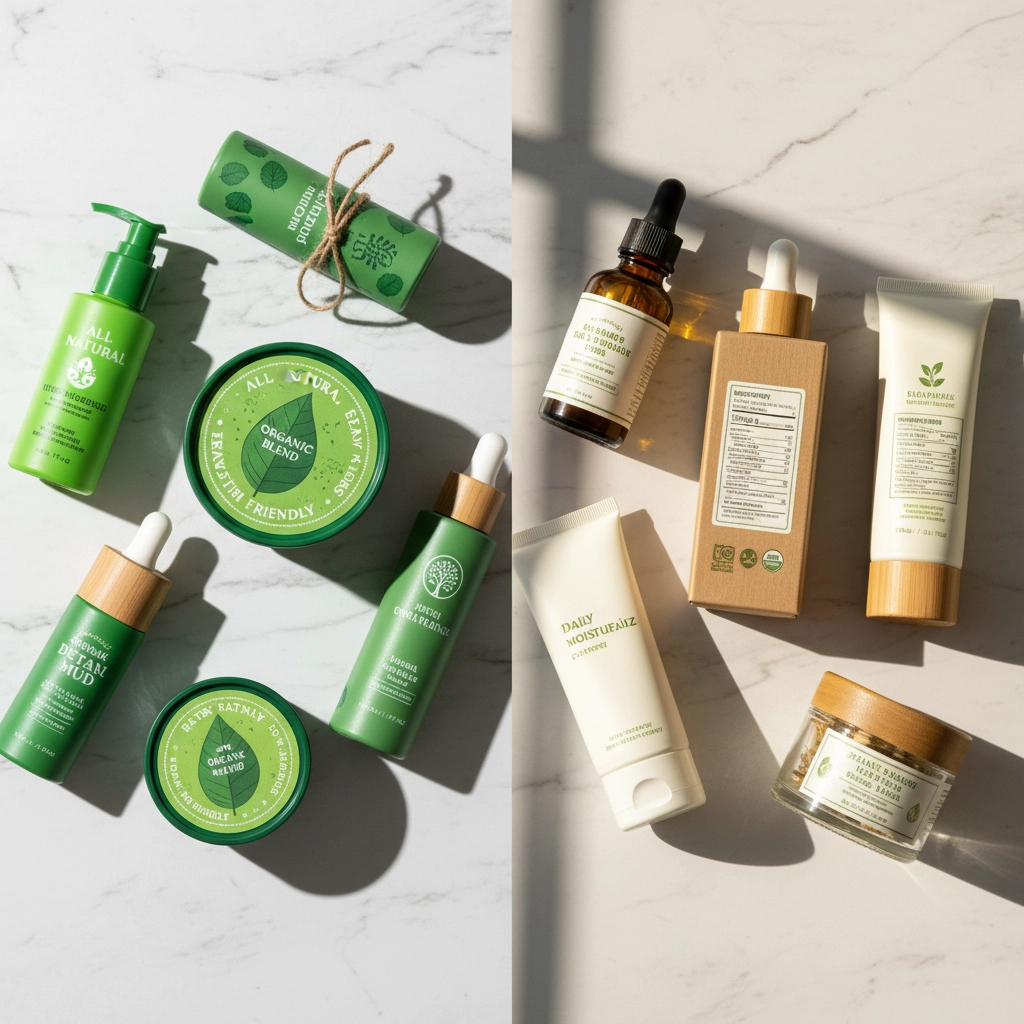
Green packaging, leaf graphics, bamboo caps, and images of flowers don't make a product clean. This is pure visual greenwashing: designed to make you feel good about a purchase without changing what's actually inside the container.
Reality check: Some of the most toxic products come in the most "natural-looking" packages, while genuinely clean brands might use simple, minimal packaging that focuses on ingredient quality over aesthetics.
3. Mysterious Ingredient Lists
If a brand only highlights the "hero" ingredients (usually plant extracts that sound appealing) while hiding the complete formula, that's a major red flag. Truly transparent brands list every single ingredient and explain what each one does.
The test: Can you easily find a complete INCI (International Nomenclature of Cosmetic Ingredients) list? If not, keep looking.
4. Zero Third-Party Verification
Genuine clean beauty brands welcome independent testing and certification. If a company gets defensive when asked about third-party verification or claims they "don't need it," that tells you everything you need to know about their confidence in their products.
Smart move: Look for certifications from recognized organizations like ECOCERT, USDA Organic, or platform ratings from Think Dirty or EWG Skin Deep.
5. Impossible Promises Without Proof
Brands that make sweeping sustainability claims: like "carbon neutral" or "ocean-friendly": without explaining how they achieve these goals are likely greenwashing. Real environmental commitments come with detailed explanations and measurable actions.
Red flag phrases: "Eco-conscious," "planet-friendly," "sustainably made" without any supporting documentation or specific practices explained.
6. Shady Parent Company Connections
Some "clean" beauty brands are owned by major corporations with terrible environmental and ethical records. The parent company might be testing on animals or producing highly toxic products while marketing their subsidiary as pure and natural.
Do this: Research who actually owns the brand. A quick Google search can reveal surprising connections that might change your mind about a purchase.
7. The "Free-From" List Trick
While highlighting what's NOT in a product can be valuable information, some brands use this as a distraction technique. They'll create long lists of scary-sounding ingredients they don't use while avoiding discussion of what they do include.
Warning sign: Brands that spend more time talking about what's not in their products than what is actually in them.
8. Suspiciously Low Prices
Genuinely clean, ethically-sourced ingredients and sustainable manufacturing practices cost more than conventional alternatives. If a "clean" product is priced the same as or lower than conventional competitors, question how that's possible.
Price reality: Authentic clean beauty often comes with a higher price tag due to quality ingredients, ethical sourcing, and responsible manufacturing practices.
9. Customer Service That Dodges Questions
When you ask specific questions about ingredients, sourcing, manufacturing, or sustainability practices, responsive customer service should provide clear, detailed answers. Evasive responses or ignored inquiries are huge red flags.
Test them: Send a few specific questions about their practices. Their response quality will tell you whether they're genuinely committed to transparency.
10. No Scientific Advisory or Expertise
Brands developing truly safe, effective clean products typically involve toxicologists, dermatologists, or other scientific experts in their formulation process. Companies that rely purely on marketing without scientific backing should make you skeptical.
Look for: Information about the scientific team or advisors involved in product development, safety testing protocols, and formulation expertise.
How to Identify Genuinely Clean Beauty Brands
Complete Transparency: Real clean beauty brands provide full ingredient lists, explain sourcing practices, and openly discuss their manufacturing processes. They want you to understand exactly what you're putting on your skin.
Independent Verification: Look for third-party certifications, platform ratings, and independent lab testing results. Trustworthy brands welcome outside scrutiny of their claims.
Scientific Backing: Genuine clean beauty companies invest in safety testing, work with toxicologists, and can explain the science behind their formulations in simple terms.
Consistent Values: Check if the brand's actions align with their marketing across all areas: packaging, shipping, corporate partnerships, and overall business practices.
Your Clean Beauty Checklist
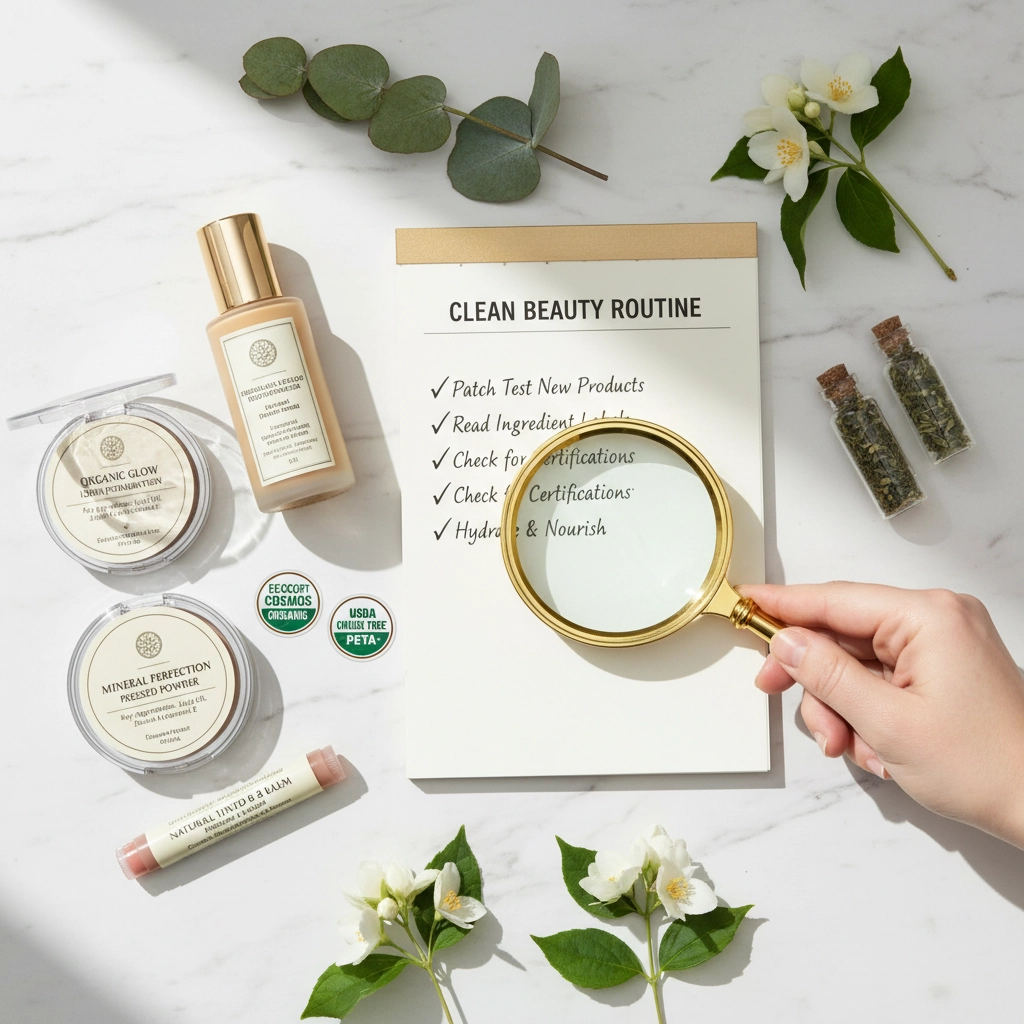
Before making your next purchase, ask yourself:
- ✅ Can I find a complete ingredient list easily?
- ✅ Does the brand provide specific details about their claims?
- ✅ Are there third-party certifications or independent ratings?
- ✅ Does the company respond transparently to customer questions?
- ✅ Do their prices reflect the cost of truly ethical practices?
- ✅ Is there scientific expertise behind the product development?
- ✅ Do the brand's actions consistently match their marketing messages?
The Bottom Line
Clean beauty should be about more than marketing buzzwords: it should represent genuine commitment to your health and the environment. By learning to spot greenwashing tactics, you protect yourself from deceptive marketing and support companies that are actually making a difference.
Don't let clever packaging and vague promises fool you. The brands worth your money are the ones willing to show their work, answer your questions, and prove their claims with action, not just words.
Ready to experience genuinely transparent clean beauty? At Candy Glow Cosmetics, we believe you deserve to know exactly what you're putting on your skin. Every ingredient is listed, every claim is backed up, and every product is formulated with your health and our planet in mind.
EXPLORE OUR COMPLETE INGREDIENT TRANSPARENCY and discover what real clean beauty looks like. Check out our full collection of organic, cruelty-free makeup that delivers on both performance and principles: because you shouldn't have to choose between looking great and feeling good about your choices.